
Improve Treatment with Sleep
Sleep Cycle gives Pharma what no clinical trial can. Get continuous, real world sleep signals at scale.
TRUSTED BY










Increase Your Pipeline
From early patient identification to long-term adherence and outcome evidence.

Identify New Patients
Find at-risk patients before they seek care.

Measure Treatment Response
Get a continuous, passive read of efficiency.
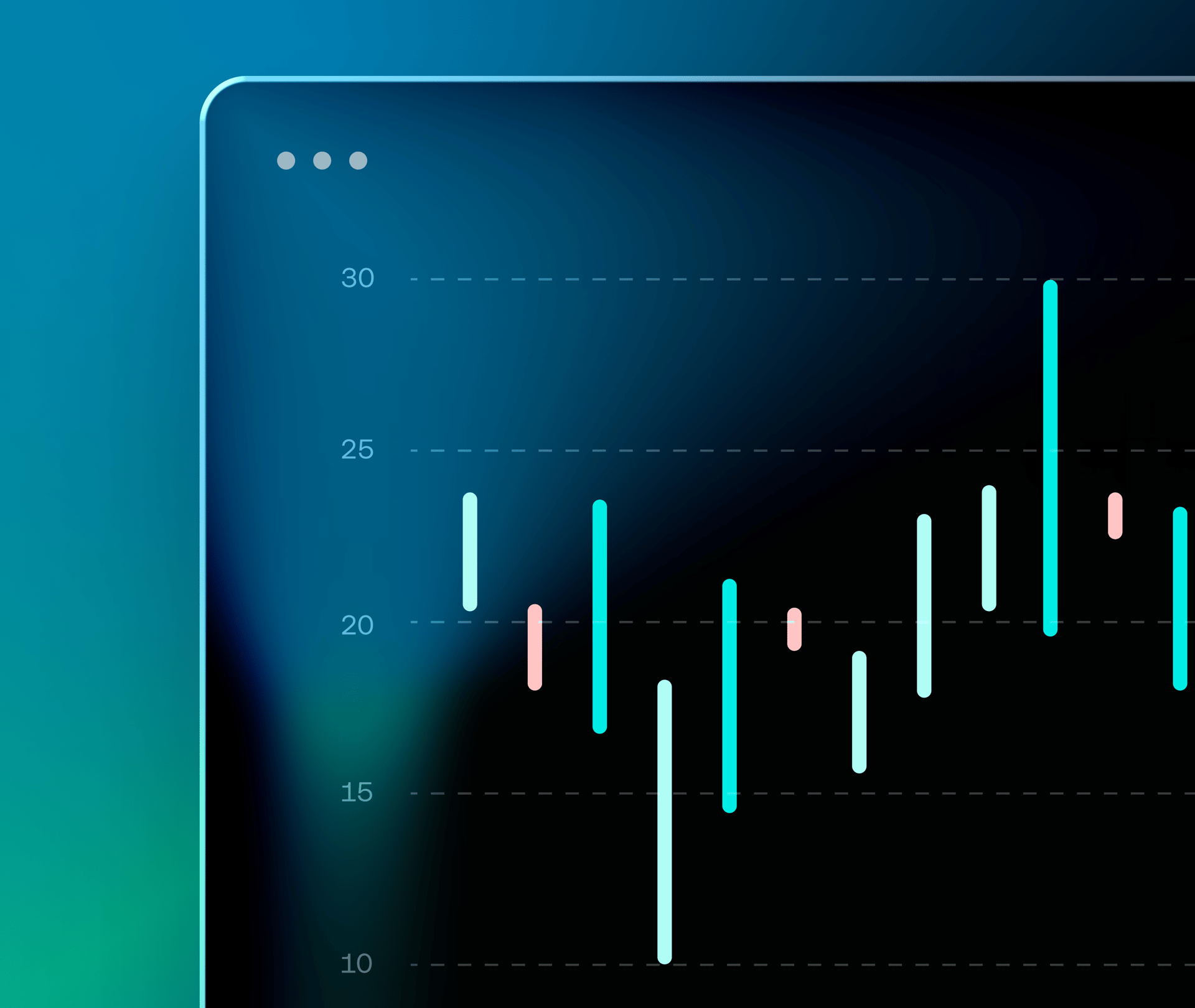
Generate Real Evidence
Monitor performance with longitudinal data.
Improve the Patient Journey
Sleep Cycle adds measurable impact to each step of the patient lifecycle.
Step 1: Early Risk Detection
Detect at-risk patients by identifying risk indicators.
Step 2: Diagnosis and Prescribing
Access months of longitudinal, objective data, to enrich diagnosis.
Step 3: Treatment Onboarding
See the effects of prescriptions with continuous passive signals.
Step 4: Performance Monitoring
Monitor treatment effectiveness post-prescription.

Step 1: Early Risk Detection
Passively Detect Risk
Sleep data tells a story. Identify risk indicators at both individual and population level.
- Respiratory: Passively surface Sleep Disordered Breathing signals.
- Neurology: Identify REM disruption and circadian irregularities as early markers.
- OSA: Flag risk with Sleep Disordered Breathing frequency and OSA event proxies.
- Cardiometabolic: Measure sleep fragmentation to identify CVD and metabolic risk.

Step 2: Diagnosis and Prescribing
Enrich the Diagnostic Process
Replace self-reporting with objective trend data, shortening the diagnostic path.
- Respiratory: Limit the need for hospital sleep studies with objective data.
- Neurology: Support CNS drug prescriptions with longitudinal data.
- OSA: Get months of objective data before the first consultation.
- Cardiometabolic: Support prescription decisions with circadian misalignment data.

Step 3: Treatment Onboarding
Avoid Device Abandonment
Monitor early treatment response, flag concerns, and keep patients engaged.
- Respiratory: Support patients that struggle and avoid discontinuation by monitoring RX response.
- Neurology: Track early CNS drug response using changes in sleep architecture.
- OSA: Monitor treatment effects and drive patient motivation during initiation.
- Cardiometabolic: Drive patient motivation using sleep quality improvement as a cardiometabolic recovery indicator.
Step 4: Performance Monitoring
Get Real-World Evidence
Keep patient relationships alive post-prescription with sleep tracking.
- Identify early signals for relapse or treatment adjustment.
- Generate real world evidence that supports payor access.
- Improve patient retention using a daily behaviour.

Work with Us
Get in touch to explore how Sleep Cycle can benefit your Pharma company.