Turn Passive Sleep Data into a Clinical Pipeline
Sleep Cycle offers sleep clinics an easy, scalable tool to identify patients before they know they need care, and keep them engaged long after treatment.
TRUSTED BY










Fill Your Patient Funnel
Reach and retain more patients through passive sleep signals, improving clinical effectiveness along the way.
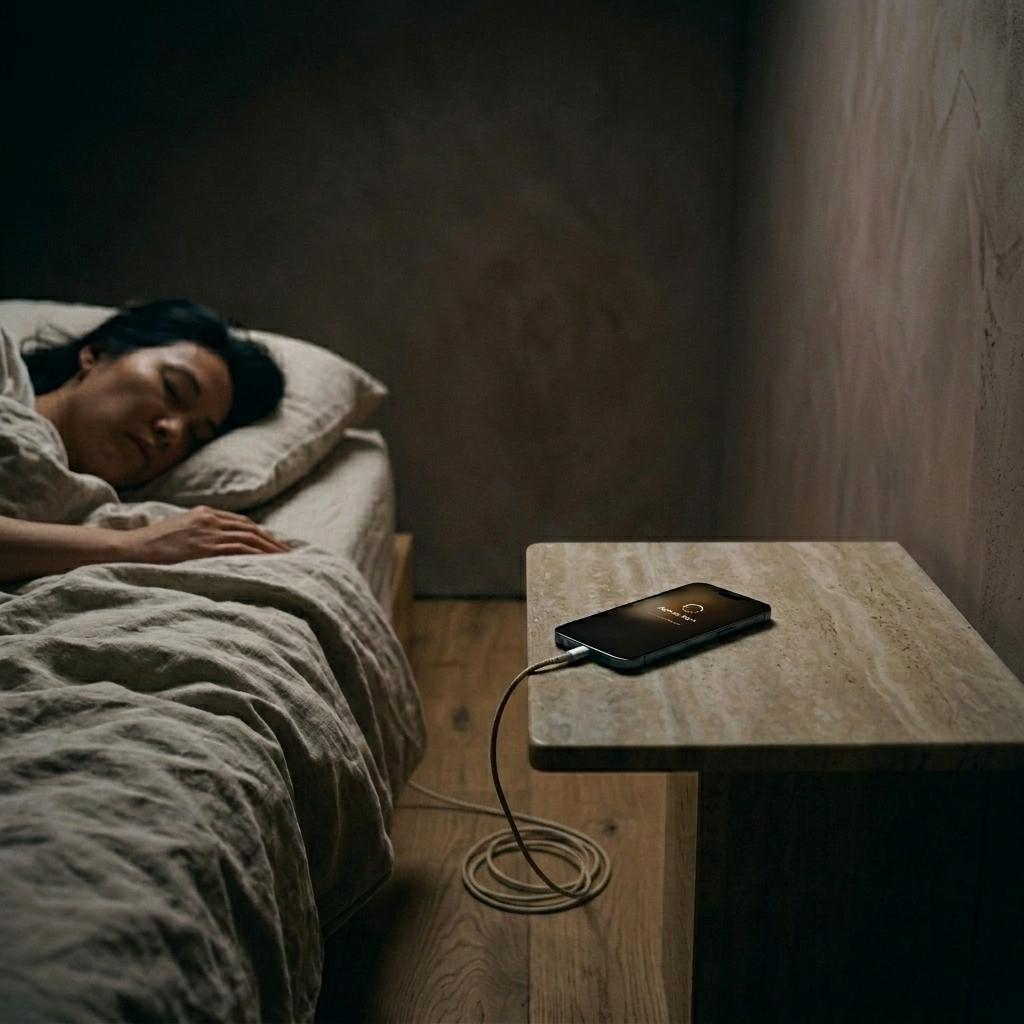
Reach Patients Earlier
Identify at-risk individuals earlier in their care journey.
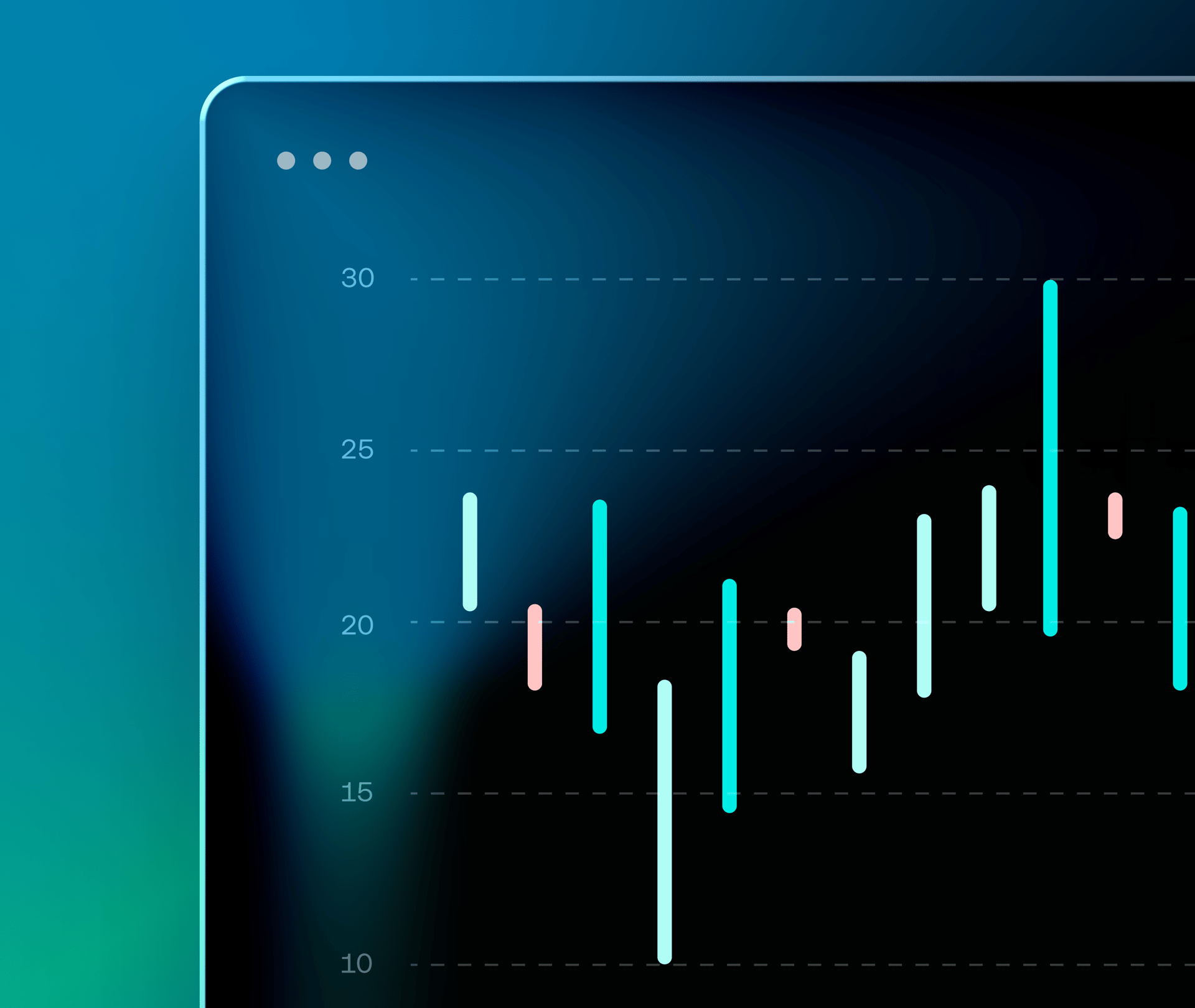
Data from Day One
Walk into every consultation with easy, accessible data from day one.

Keep Patients Engaged
Turn discharged patients into a managed population.
Improve the Patient Journey
Sleep Cycle adds measurable impact to each step of the patient lifecycle.
Step 1: Population Screening
Passively monitor potential patients at scale, detect risk signals and route the highest priority individuals into the diagnostic pathway.
Step 2: Diagnostic Assessment
Access months of longitudinal, objective data, replacing the paper sleep diary and shortening the path to diagnosis.
Step 3: Treatment and Support
Monitor adherence, track responses and keep patients engaged between clinical appointments using daily behaviour.

Step 4: Long-term Monitoring
Keep the clinical relationship alive by detecting relapse, monitoring outcomes and turning discharged patients into a managed population.

Step 1: Population Screening
Identify At-Risk Individuals
Most sleep clinic patients arrive after years of undiagnosed symptoms.
- Identify fragmented sleep patterns, deterioration in sleep data, and disordered breathing including OSA risk detection.
- Reach populations that would never self-refer through traditional channels with corporate wellness and insurance partnerships.
- Prioritise outreach to the highest need cohorts with population level segmentation.

Step 2: Diagnostic Assessment
Streamline the Diagnostic Process
Diagnosis can be constrained by time, cost and limitations. Access longitudinal data from the first appointment.
- Access months of objective data captured passively with a smartphone.
- Replace a sleep diary and wearables with structured data, free from recall bias and inaccuracies.
- Reduce the number of appointments and repeat studies before making a confident diagnosis.
- Get a richer clinical picture with rich trend data, anomaly flags and night-by-night variability that a single-night study can’t provide.

Step 3: Treatment and Support
Enhance Your Treatment Plan
Add a daily behavioural layer to monitor adherence, track responses and keep patients engaged.
- Use passive nightly tracking to verify whether behavioral prescriptions are followed between appointments.
- Motivate patients to continue device-based and psychological treatments by tracking improvements in sleep quality.
- Get objective evidence of treatment efficiency to support decision making.
- Keep patients actively engaged between clinical visits with personalized coaching and progress tracking.
Step 4: Long-term Monitoring
Passively Monitor Patients
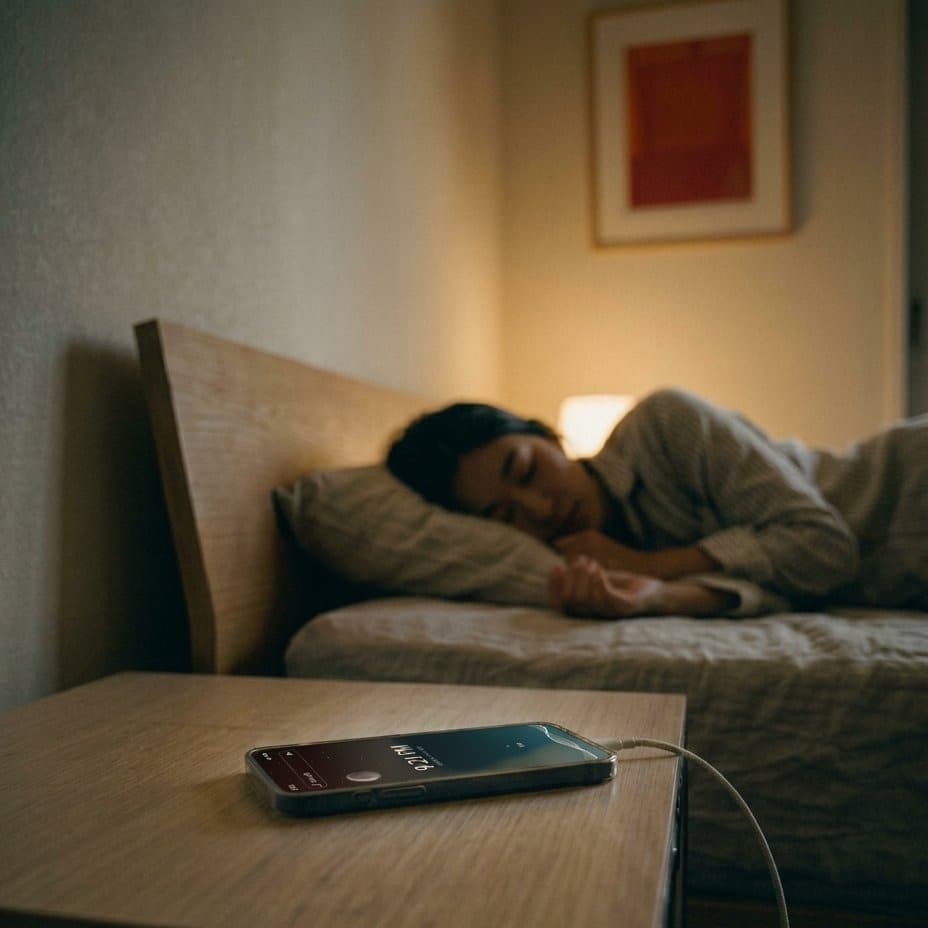
Turn discharged patients into a managed population by tracking adherence, detecting relapse and measuring outcomes.
- Continuous nightly tracking means discharged patients are still generating clinical signals without the need for check ins.
- Direct high risk users toward a consultation with in-app nudges and clinical alerts.
- Reduce readmission rates and clinical burden with automated deterioration alerts to flag patients who need clinical reengagement early.
- Access longitudinal sleep outcomes data for reporting to insurers and employers.

Work with Us
Get in touch to explore how Sleep Cycle can benefit your sleep clinic.