
Identify Patients Early
Turn passive sleep data into a clinical pipeline. Sleep Cycle helps identify individuals at risk, connects them to telehealth care, and supports long-term engagement throughout treatment.
TRUSTED BY










Fill Your Patient Funnel
Reach and retain more patients through passive sleep signals, improving clinical effectiveness along the way.

Identify New Patients
Find upper-funnel patients before they seek care.
Data-Backed Offering
Enrich consultations with objective sleep data.

Keep Patients Engaged
Close the loop post-treatment to prevent churn.
Improve the Patient Journey
Sleep Cycle adds measurable impact to each step of the patient lifecycle.
Step 1: Identify At-Risk Individuals
Detect upper-funnel patients by identifying risk indicators.
Step 2: Diagnostic Assessment
Access months of longitudinal, objective data, to enrich clinical visits.
Step 3: Treatment and Support
Support treatment and monitor outcomes using daily behaviour.
Step 4: Long-Term Monitoring
Re-engage patients by showing the need for follow-ups.

Step 1: Identify At-Risk Individuals
Upper Funnel Detection
Sleep data tells a story. Identify risk indicators before clients reach you.
- Flag poor sleep quality, irregular patterns or sleep disordered breathing.
- In-app nudges and clinical alerts direct high risk users toward clinical care.
- Employers and payor partners can target high-risk cohorts for proactive outreach.
- Passive and scalable sleep disordered breathing detection for optimal reach.

Step 2: Diagnostic Assessment
Enrich the Diagnostic Process
Replace self-reporting with objective trend data, shortening the diagnostic path.
- Access a gateway for obstructive sleep apnea, insomnia and CBT-I triage.
- Enrich your consultation and improve diagnostic confidence with objective data.
- Reduce the time to diagnosis with longitudinal trends to pre-populate clinical context.
- Get structured sleep data to support decision making and later clinical review.

Step 3: Treatment and Support
Enhance Your Treatment Plan
Whatever the treatment plan, make it stick by adding a behavioural layer to monitor treatments and see the outcomes.
- Integrate natural upsell into premium coaching, guided sleep programs and sleep content subscriptions.
- Verify engagement with CBT-I protocols and behavioural prescriptions using passive monitoring.
- Before and after sleep quality metrics show the clinical impact of treatment.
- Complement telehealth prescriptions with behavioural reinforcement between clinical appointments.
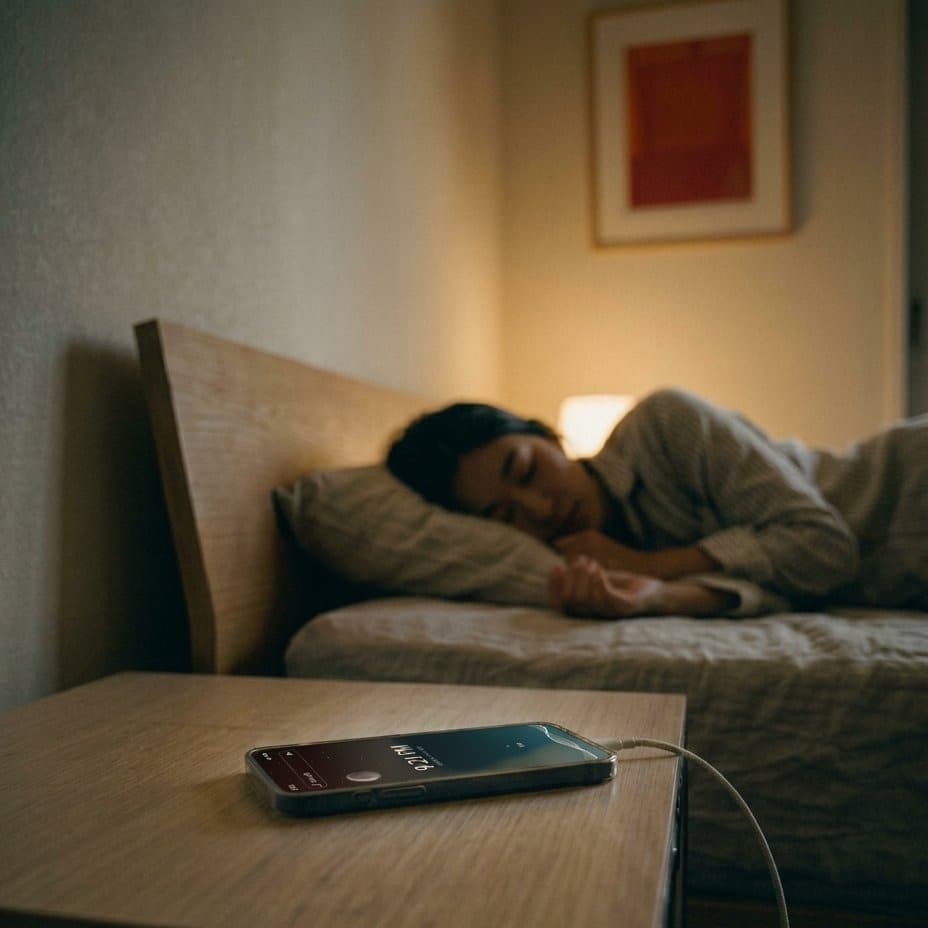
Step 4: Long-Term Monitoring
Prevent Patient Drop-Off
Continuous passive tracking detects regression, rewards progress, and shows the need for follow ups.
- Improve long-term retention by making Sleep Cycle a daily health habit as part of the clinical feedback loop.
- Trigger re-engagement flows and clinical follow up with automated alerts for deteriorating sleep quality.
- Longitudinal outcome data provides employers and payors with proof of ROI.

Work with Us
Get in touch to explore how Sleep Cycle can benefit your telehealth platform.