A Passive Signal That Tracks Respiratory Illness in Near Real Time, Studied With UKHSA
Published
For any organization working in respiratory health, timing is everything. The earlier you can see a wave of sickness building, the more you can do about it. But, most surveillance signals carry a built-in delay.
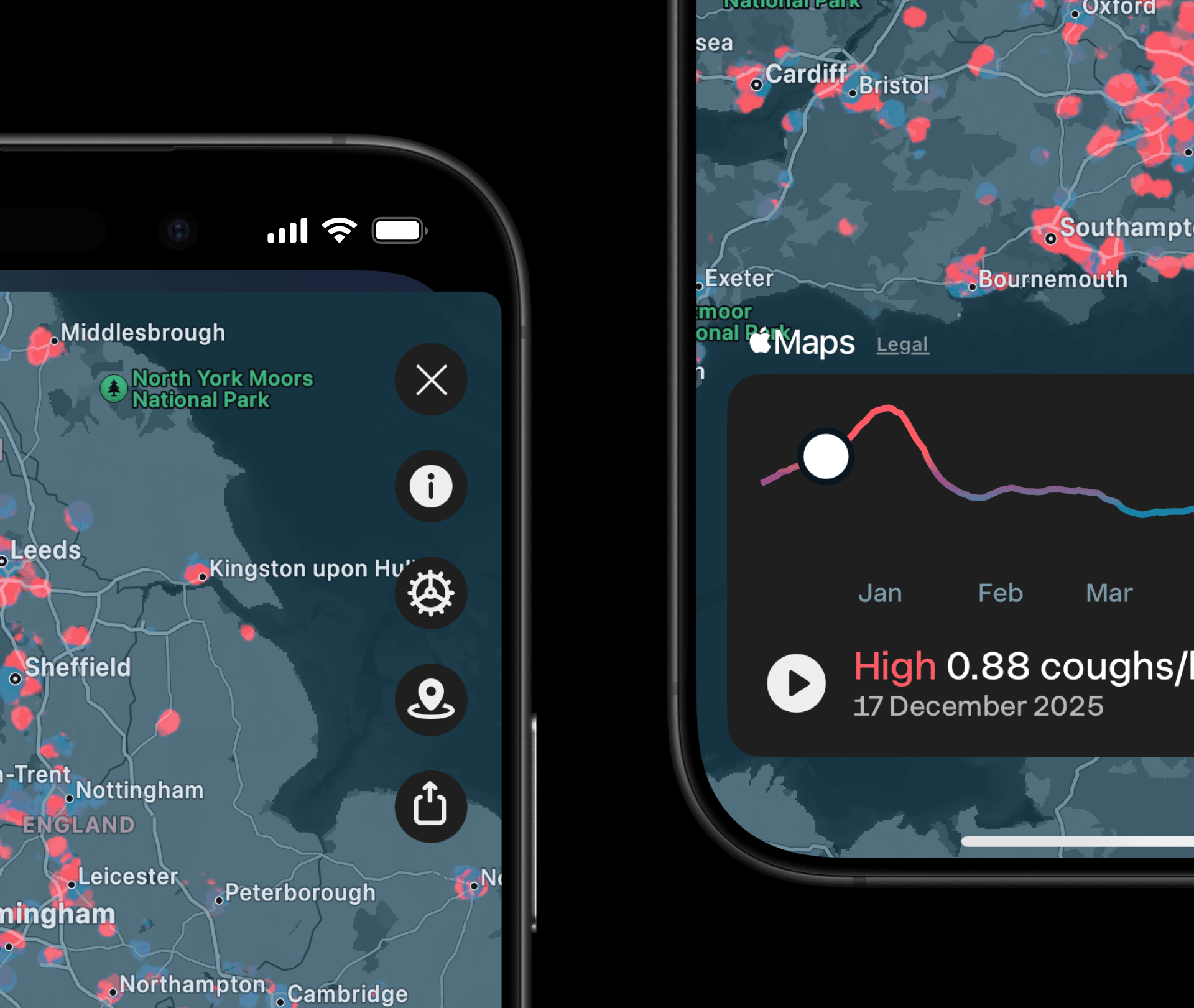
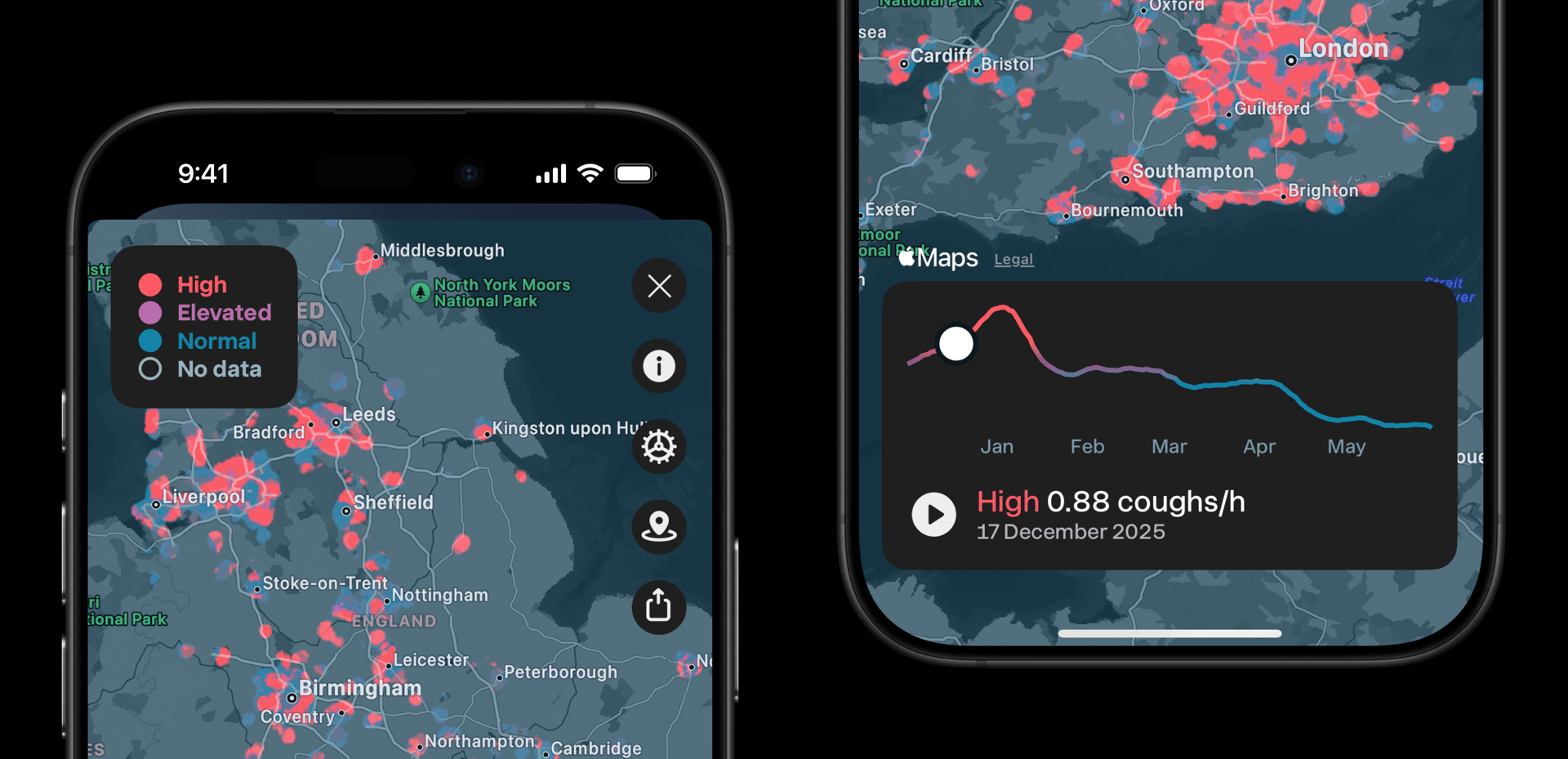
A new study conducted with the UK Health Security Agency (UKHSA) points to a way of closing some of that gap. Aggregated nocturnal cough data from Sleep Cycle was found to closely track NHS 111 respiratory illness calls across England; moving with them week to week, while also showing earlier, more modest signals ahead of lab-confirmed influenza and COVID-19. Because the cough data is available in near real time, it can offer a faster read on community respiratory illness than signals that depend on people seeking care or on laboratory reporting. For partners in public health, life sciences, and digital health, it’s a finding worth understanding in detail.
Here’s what the study found, why it matters, and what comes next.
What the Study Found
UKHSA runs the systems that track respiratory viruses like influenza, RSV, and COVID-19 across England. These systems are robust, but most share the same constraints: a patient has to feel unwell enough to call NHS 111, a test has to be taken, processed, and reported, and hospital admissions only register illness once it has already turned severe. None of that is a flaw, it’s simply the nature of measuring illness after people seek care.
We set out to test whether a genuinely passive signal could see things sooner. Working with UKHSA, we compared three years of aggregated Sleep Cycle cough data, from January 2023 to January 2026, against UKHSA’s own indicators across all seven NHS regions of England.
The clearest and most consistent result was that nocturnal cough activity closely tracked NHS 111 acute respiratory infection calls, moving almost in step with them week to week across every NHS region. This relationship held even after the analysis stripped out shared seasonal patterns and long-term trends. That’s important: it means cough activity is picking up real short-term shifts in community respiratory symptoms, not just following the same seasonal curve. NHS 111 calls are themselves a near-real-time measure of when people first seek advice. So a cough signal that matches them, and arrives with almost no reporting delay, offers a fast and independent read on the same rise in community illness.
Beyond that headline finding, the cough data also ran slightly ahead of lab-confirmed illness. One of the population-adjusted cough measures peaked about a week before influenza positivity, and both adjusted measures peaked about a week before COVID-19 positivity. These early signals were more modest and varied by region, but they point in a consistent direction: respiratory activity from more than one virus feeds into the broader cough signal.
Among the key findings:
- The strongest and most consistent finding was a close, regionally consistent tracking between Sleep Cycle’s cough signal and NHS 111 Acute Respiratory Infection (ARI) calls, holding across all seven NHS regions of England.
- Population-adjusted cough measures also showed short leading associations of around one week with influenza and COVID-19 positivity, warranting further evaluation.
- Passive smartphone-based monitoring produced a continuously updated respiratory health signal, without symptom reporting or healthcare interaction required from users.
- The findings support passive digital health data as a complementary source of information to future respiratory disease surveillance.
How Cough Radar Works
Here’s the technology behind the headline.
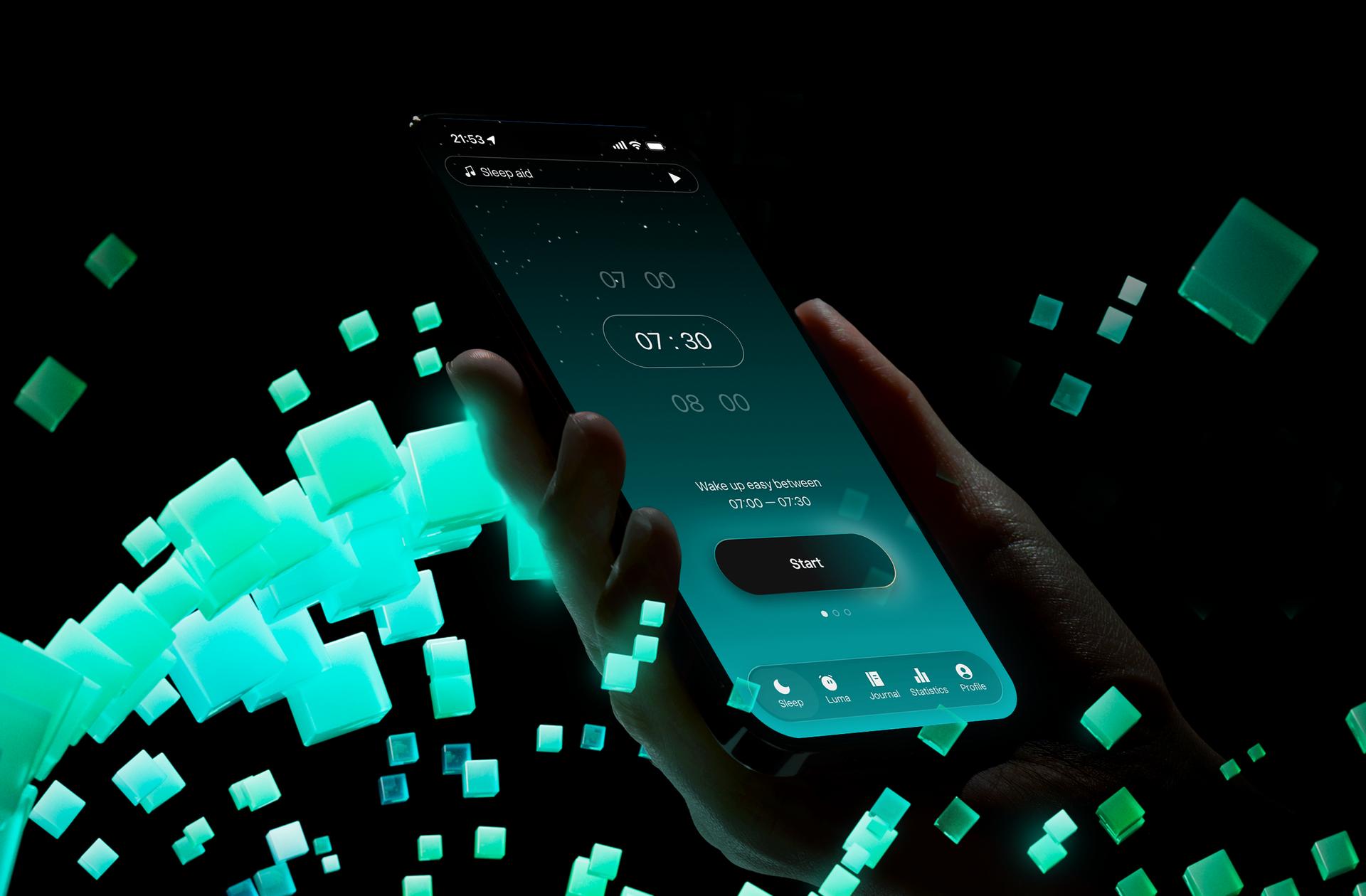
Sleep Cycle includes a feature called Cough Radar. While a user sleeps, a machine learning model detects and counts cough events. All audio is processed locally, on the user’s own device, and no raw recordings are ever transmitted or stored. Every data point is anonymized and aggregated before analysis. Across a large enough user base, the result is something no traditional system has; a continuous, daily measure of nocturnal coughing at population scale.
Cough Radar runs passively in the background when a user tracks their sleep, reflecting what’s already happening across the population, night after night.
Why This Matters
The signal is fast, passive and scalable. It doesn’t wait on patients seeking care, on laboratory turnaround, or on reporting cycles, which is precisely what gives it a timeliness advantage over indicators that do. Cough Radar runs every night across a large user base, drawn from a sleep data library of more than 3 billion nights across 180 countries. This feature produces a regional, daily measure of respiratory symptoms with a reporting lag of under a day.
The timing measured in the study is a direct comparison of the signals as reported, and it doesn’t account for the fact that cough data is generated in near real time while the comparator systems carry their own reporting delays. Because those delays were not adjusted for, the study notes that the observed timing is likely a conservative estimate: in practice, a near-real-time cough signal may deliver a usable read even earlier relative to feeds that need testing, processing, and reporting before they can inform a decision.
The most important nuance is what kind of signal this is. Cough activity tracked NHS 111 calls, a broad syndromic measure of community illness, far more strongly than it tracked any single virus. Its relationships with influenza and COVID-19 individually were real but more modest, which is exactly what would be expected from a symptom that appears across many respiratory infections. That makes nocturnal cough a broad barometer of community respiratory symptom burden rather than a test for any one pathogen. For a decision-maker, that breadth is the point: it reflects the overall respiratory pressure building in a population, not a single strain.
For a public health team, timeliness is the difference between reacting and preparing. A fast, near-real-time read on where respiratory activity is rising, at both national and regional levels, creates room to plan ahead for public communication, vaccination messaging, and testing or service capacity. And because the signal moves with community illness in both directions, it can offer early corroboration of a building peak as well as reassurance when activity is easing.
The study’s conclusion, reached jointly with UKHSA, is that consumer-generated cough data could be a valuable complementary source of information for respiratory surveillance. That matters because the data is already being generated continuously, with no purpose-built infrastructure to fund or maintain. It’s a signal that can sit alongside existing indicators rather than replacing any of them.
What Comes Next
The study establishes these relationships retrospectively, over three years, and the evidence is best understood as promising rather than definitive.
It’s worth noting that the cough metric is non-specific, counting cough from any cause, including asthma and environmental irritants.
None of this undermines the finding, but it is the reason the next step matters: testing the signal forward, in real time, against live respiratory seasons. A natural first move would be integrating the Sleep Cycle data feed into a surveillance dashboard alongside existing indicators, so its timeliness and early-warning value can be stress-tested as it happens.
That’s the work ahead, and it’s work we want to do with the right partners.
Work With Us
If your organization operates in public health, life sciences, or digital health, we’re looking for partners to help take a promising research finding and put it to work in real-world surveillance and research settings, from prospective validation to live dashboard integration.
Passive, population-scale respiratory cough data has shown real promise as a timely, complementary signal for respiratory surveillance. The opportunity is in what we build with it next.
To discuss a collaboration, get in touch with our team.