Sleep Science
We spend a third of our lives sleeping. Why and how we sleep is what sleep science is all about. A good way to figure out why we sleep is looking at what would happen if we would stop sleeping. Not getting enough sleep would have serious consequences on our brains’ ability to function. Even more than the usual grumpiness, grogginess, irritability, and forgetfulness after pulling an all-nighter. With continuous lack of sleep, language, memory, and even sense of time start to be severely affected. In contrast, as little as seventeen hours of continued wakefulness leads to a decrease in performance comparable to an alcohol level of 0.05%. In addition, Sleep science shows that sleep-deprived humans also have trouble responding to rapidly changing situations and making rational judgments. Consequently, the reason we sleep is that our body and mind need it to function properly.
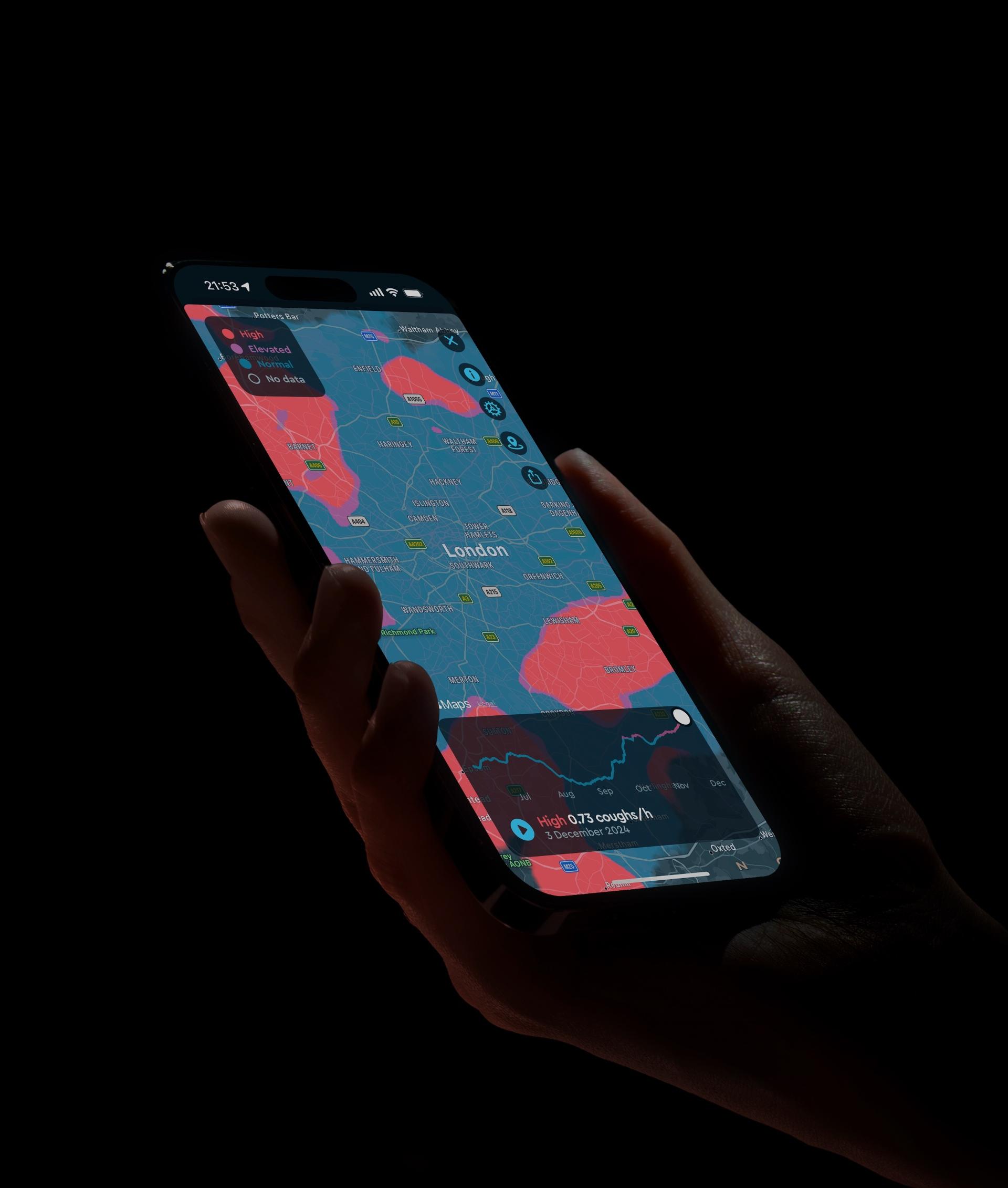
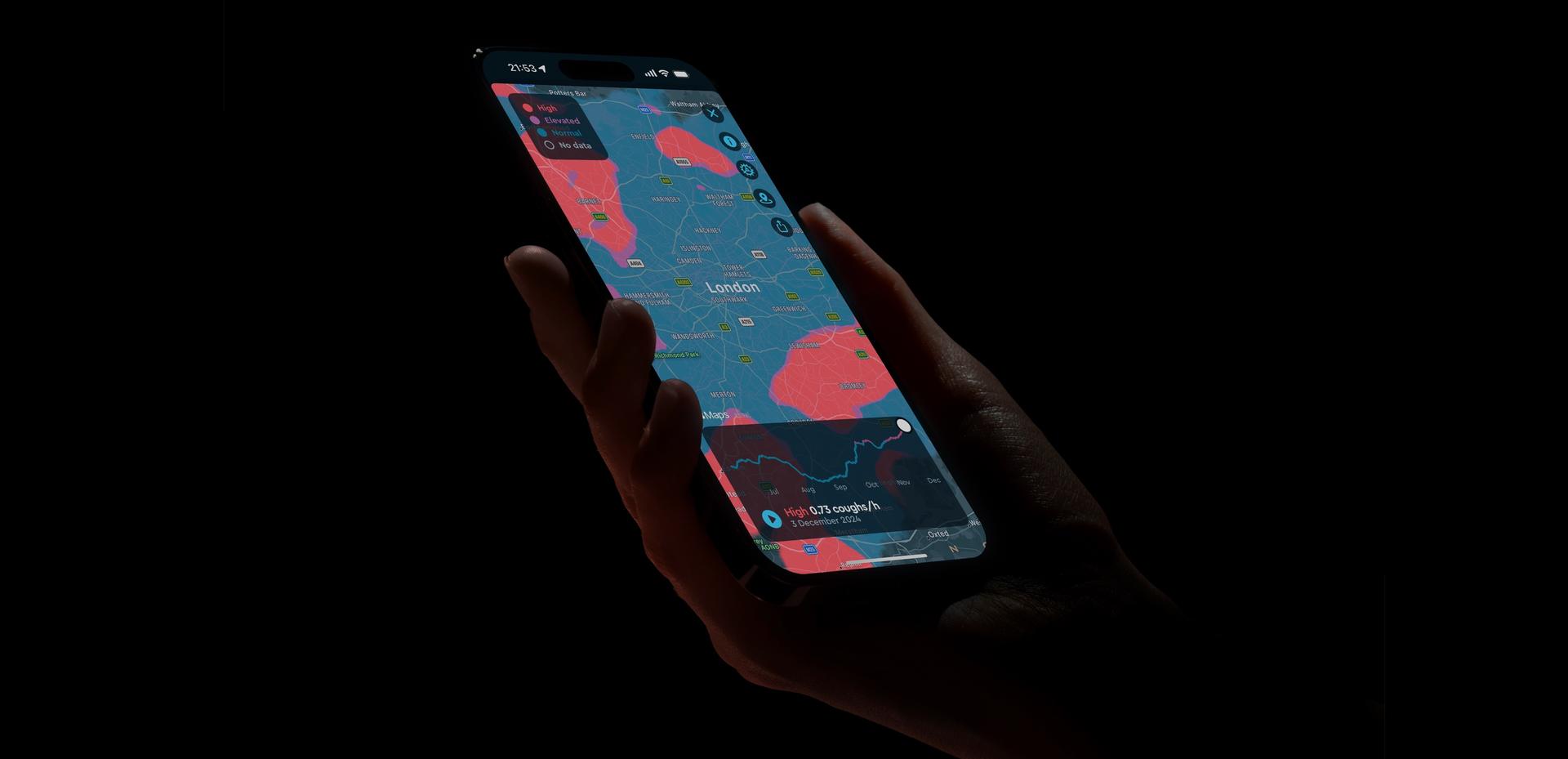
UKHSA and Sleep Cycle: Could sleep app data help identify respiratory disease trends in England?
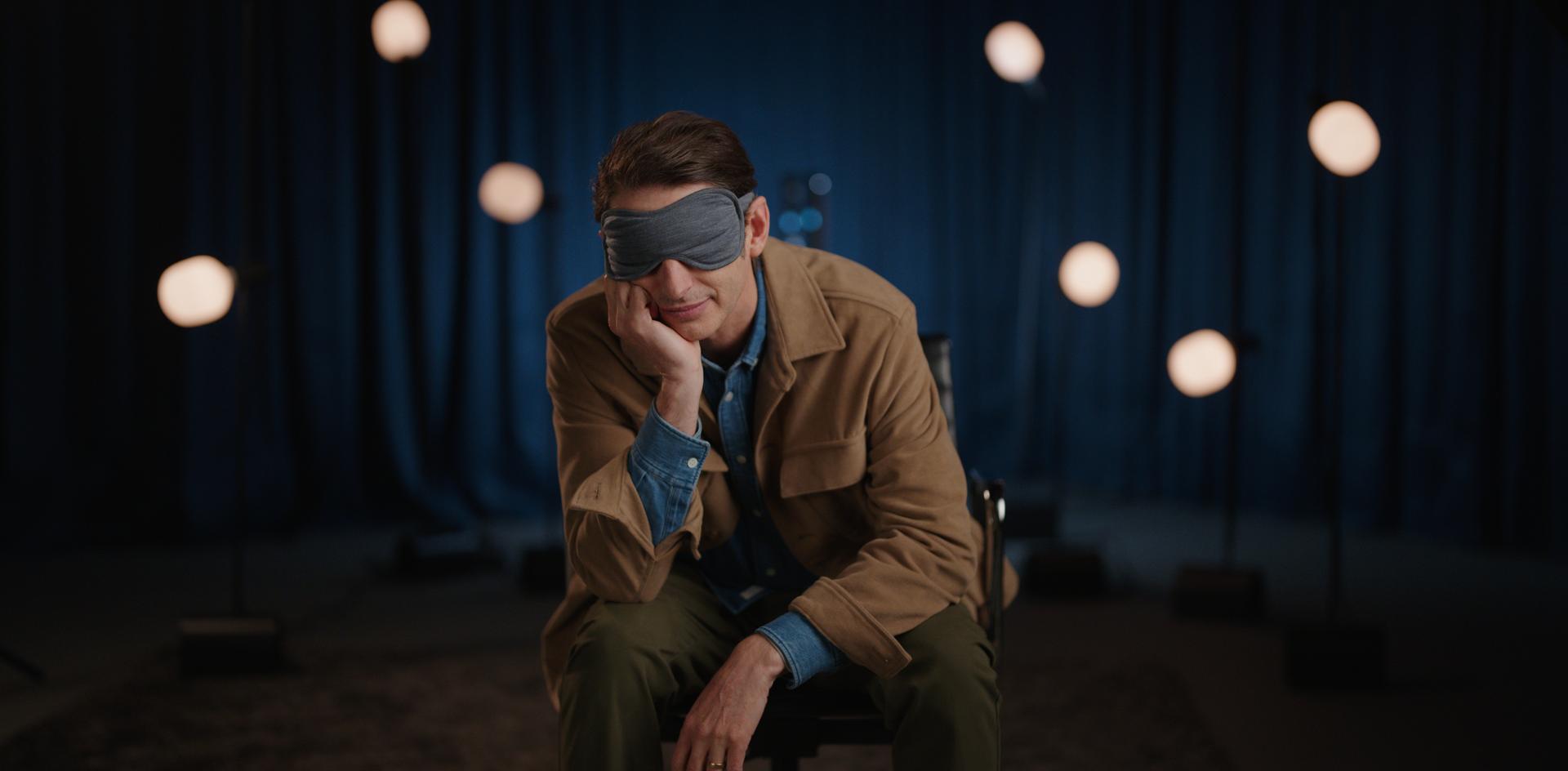
A Sleep Cycle Series: Expert Strategies for Adults Facing Sleep Challenges
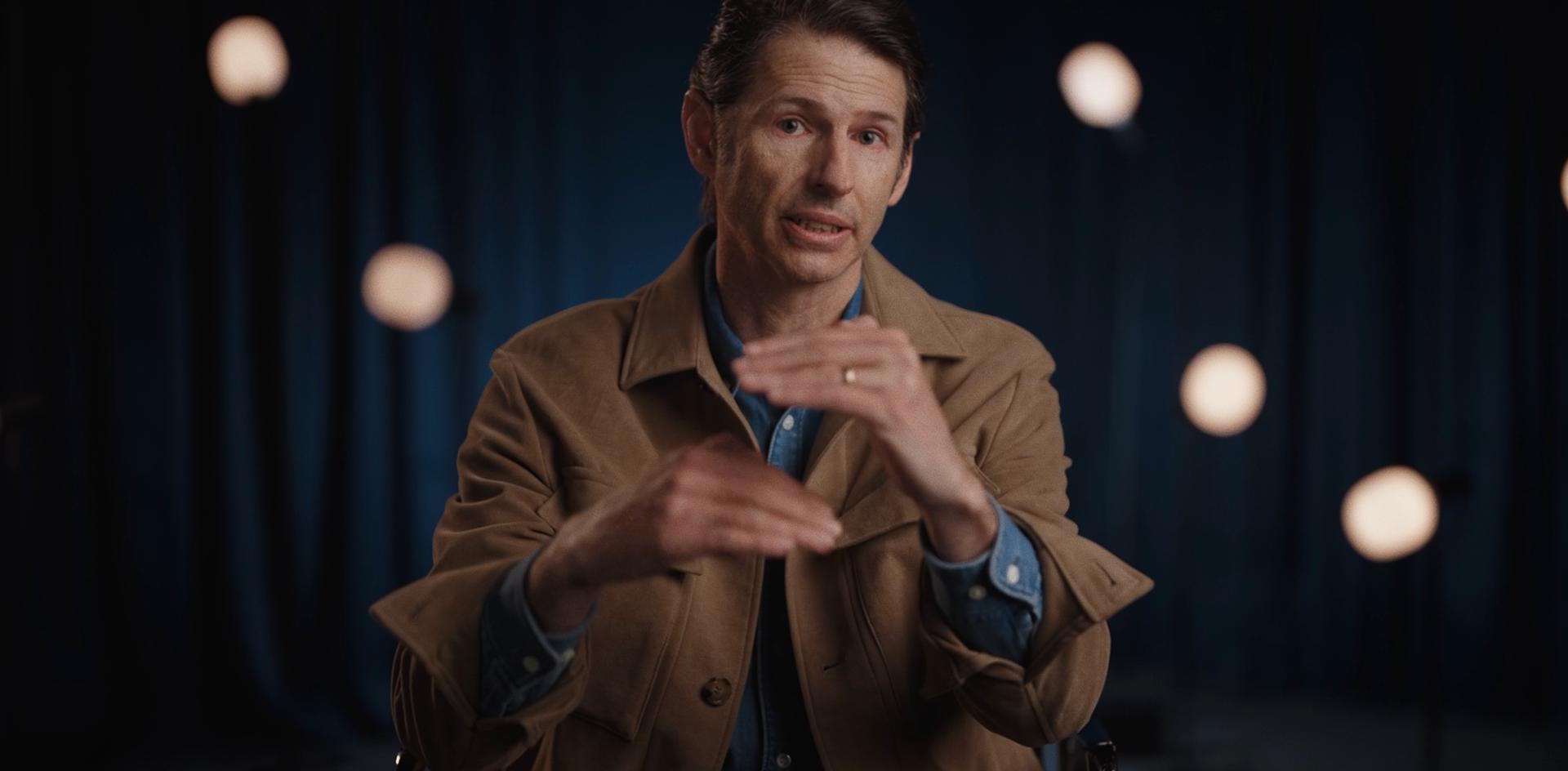
A Sleep Cycle Series: Understanding and Improving Sleep for Infants, Teens, and Young Adults
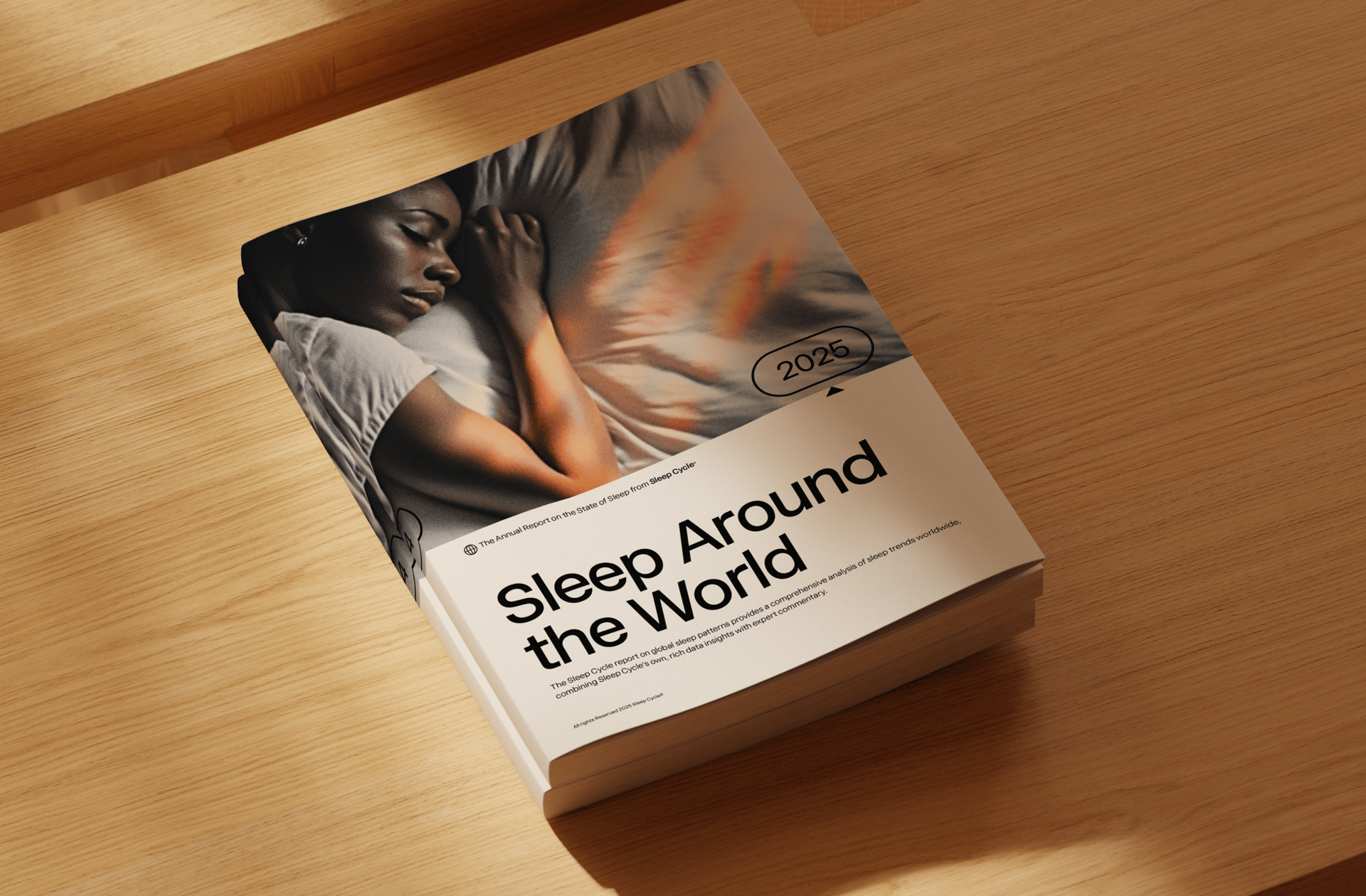
New Sleep Cycle Report: 105 million Nights Reveal a Global Decline in Sleep Quality
Sleep Cycle, the leading sleep technology company, today announces the release of its report Sleep Around the World, revealing a global decline in sleep quality over the past year. The report provides unique insights into how people around the world sleep, how they respond to major global events, and which viral sleep hacks have topped the charts.
Can Nightly Coughs Predict Global Health Trends? Sleep Cycle's CTO to Speak at Cambridge AI Health Event
Sleep Cycle, the leading sleep technology company, is pleased to announce that Mikael Kågebäck, Phd. and Chief Technology Officer at Sleep Cycle, will deliver a keynote speech at the University of Cambridge’s event "Audio-based AI for Respiratory Health Monitoring" on March 13. The event aims to bring together academia and industry to foster dialogue and collaboration in the transformative field of AI-driven health monitoring.
Sleep Cycle Partners with Cambridge and UCL for new Alzheimer's Study: Exploring the Link Between Sleep and Early Alzheimer’s Risk
Sleep Cycle, the leading sleep technology company, is thrilled to announce its partnership with researchers from the University of Cambridge and University College London (UCL) on a pioneering Alzheimer’s study. This collaboration combines Sleep Cycle’s comprehensive sleep data with the team’s previous findings to explore potential links between navigation (sense of direction), sleep disruptions, and the early detection of Alzheimer’s disease.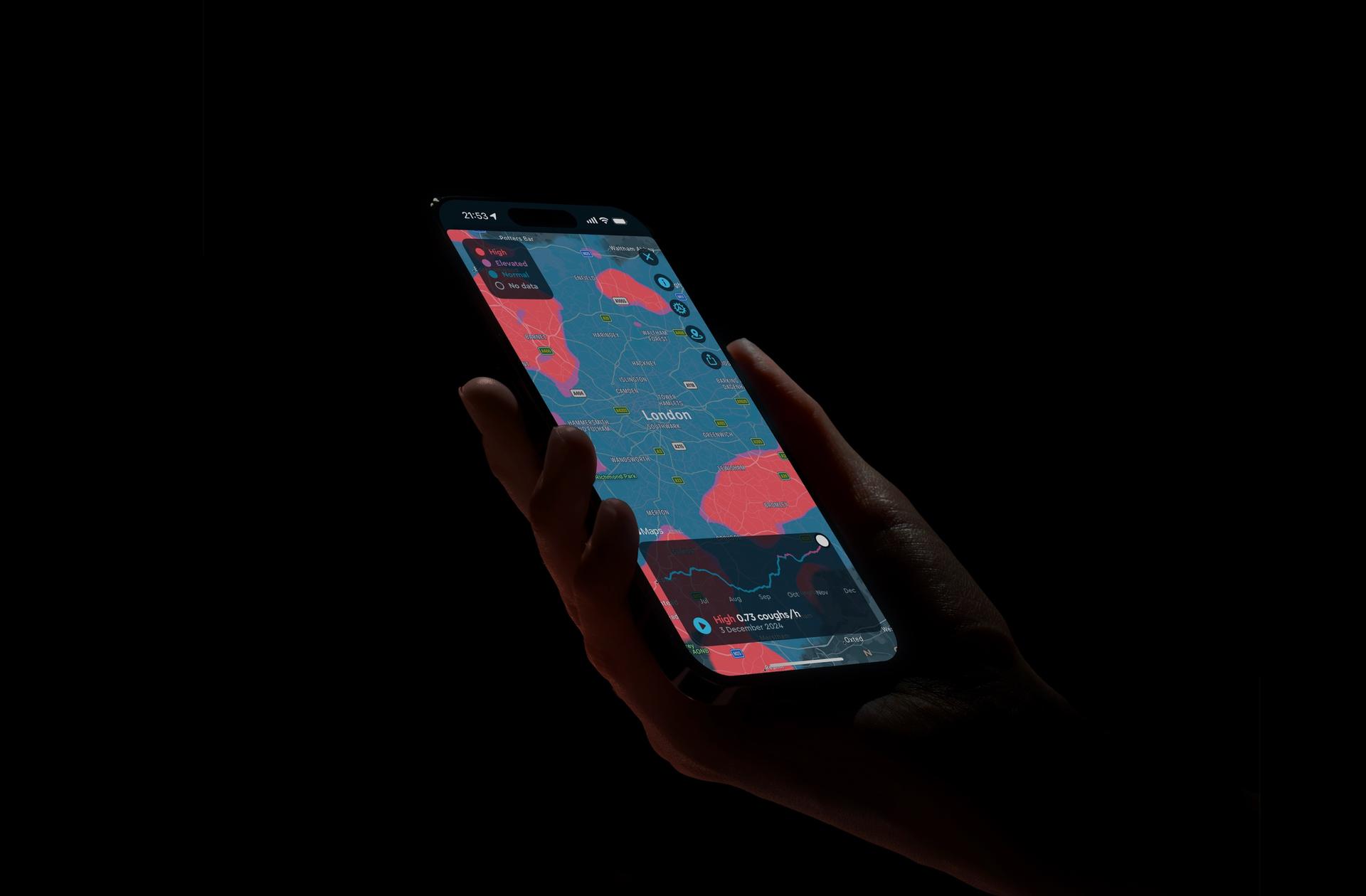
Sleep Cycle Offers Cough Radar as a Free Feature to Help People Stay Healthy This Winter
With the winter illness season now affecting millions globally, Sleep Cycle, the leading sleep technology company, is living out its mission to improve public health by offering its premium Cough Radar feature for free from December 9, 2024 through February 2025. Cough Radar, now celebrating its one year anniversary, is an AI-driven tool that analyzes coughing trends on an individual level and at the community-level via an interactive map.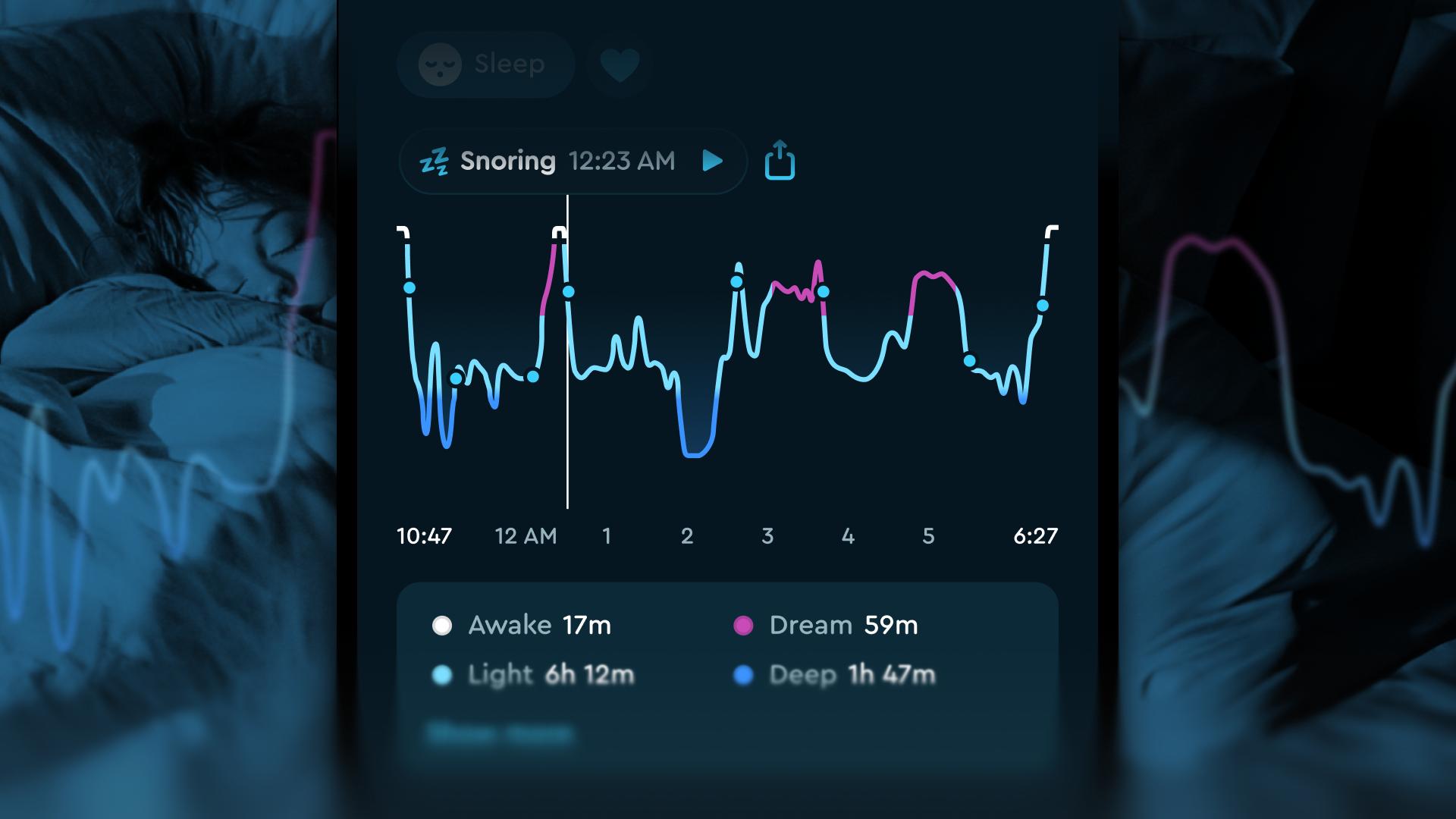
Discover Your Dream Patterns with Sleep Cycle: The World’s First Technology to Combine Breathing Patterns and Movement to Analyze Sleep Stages
Sleep Cycle, the leading sleep technology company, announces the rollout of Sleep Stages, a groundbreaking new technology that allows users to measure their sleep stages and how long they spend in the dream stage each night. This technology is the first to combine breathing patterns and movement sounds, with only a smartphone, to accurately identify sleep stages such as REM sleep (the phase where most dreaming occurs), light sleep, and deep sleep, offering users a deeper understanding of their sleep patterns.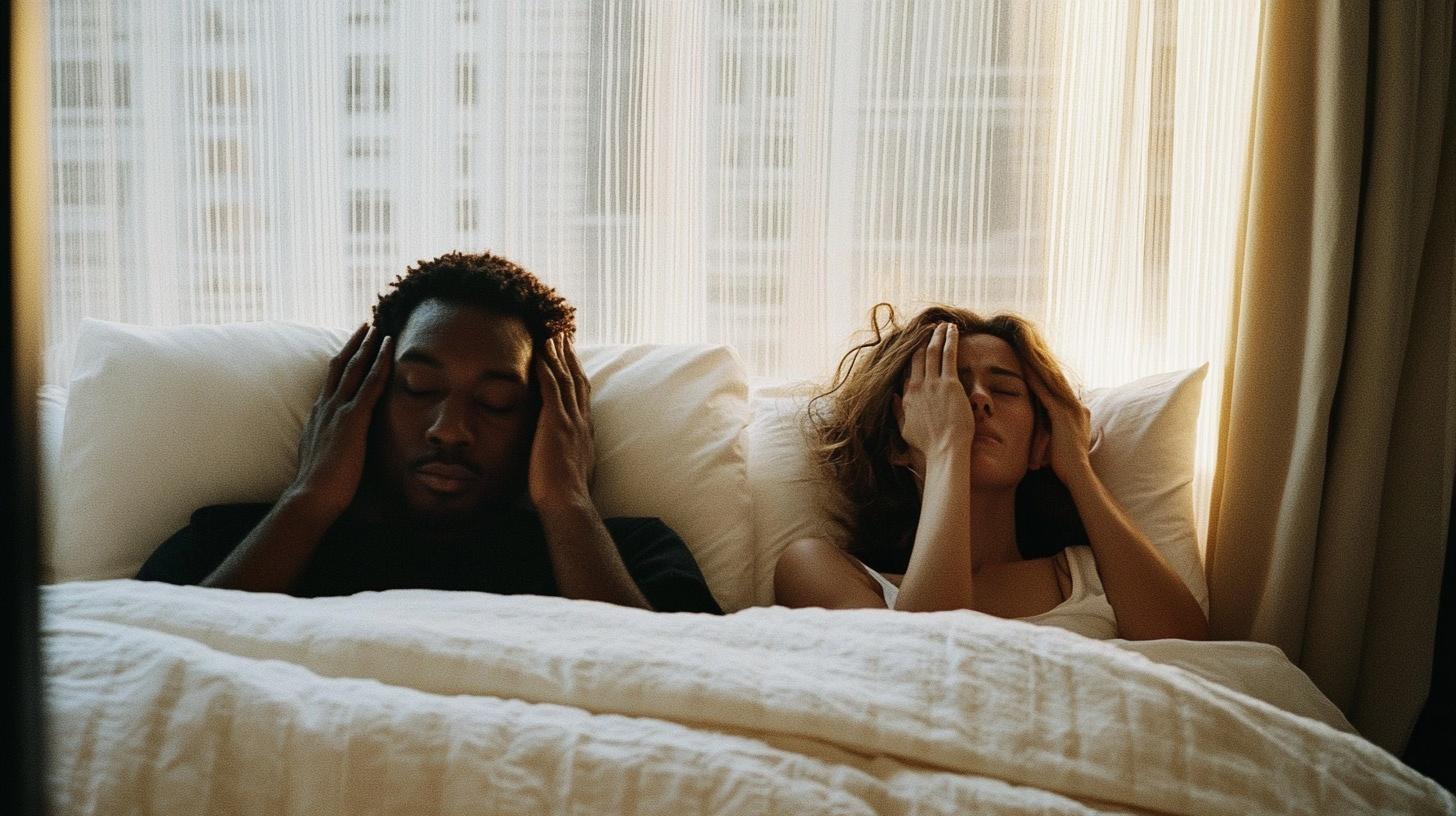
New Sleep Cycle Report Finds Americans Experienced Less Stress and Less Sleep Impacts on 2024 Election Night Compared to 2020
Sleep Cycle, the leading sleep technology company, today released its 2024 Presidential Election Sleep Report, revealing surprising metrics on how the U.S. Election affected – or seemingly did not affect – America’s night of rest. The number of users marking the day as stressful dropped significantly, with only 18% compared to a regular Tuesday in October 2024, a sharp decrease from the 54% who reported Election Day 2020 as stressful.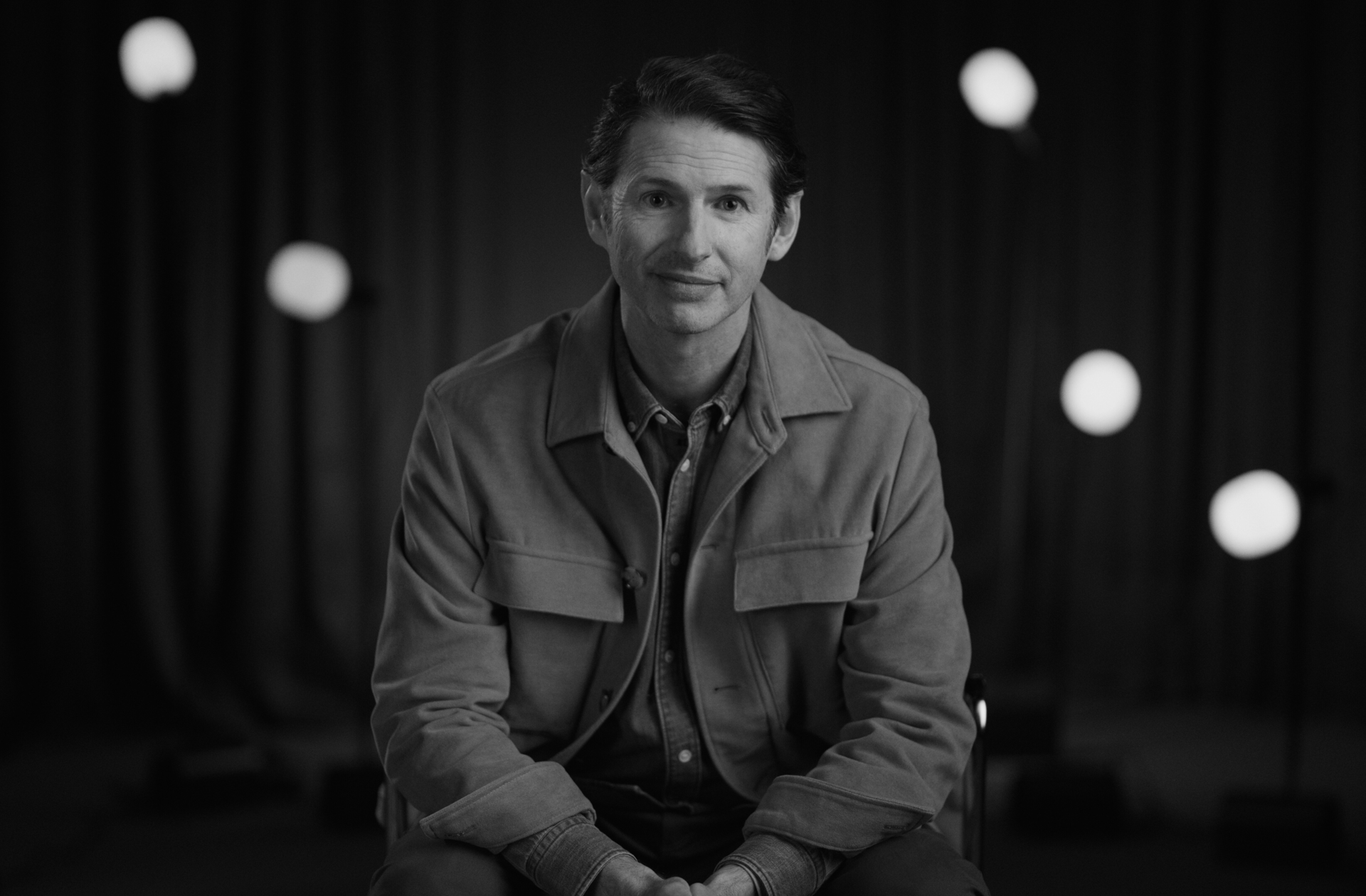
Sleep Cycle’s Head of Sleep Science Michael Gradisar, Ph.D., Co-Authors New Research Debunking Myth that Blue Light Before Bed Disrupts Sleep
Sleep Cycle, a global leader in AI-driven sleep analysis, announces groundbreaking research challenging the belief that blue light from screens significantly disrupts sleep, co-authored by its Head of Sleep Science, Michael Gradisar, Ph.D.
Sleep Cycle appoints Professor Mike Gradisar as Head of Sleep Science
Sleep Cycle, the world’s most popular sleep solution, is excited to announce the appointment of Professor Mike Gradisar as Sleep Cycle’s new Head of Sleep Science. Professor Gradisar has previously been engaged with Sleep Cycle as a sleep expert. With his new position, Professor Gradisar will extend his engagement with Sleep Cycle and become a vital contributor within the product development team.
Global sleep duration has significantly increased amid Covid-19 pandemic, potentially strengthening immune system’s response to viral pathogens and vaccines
BOSTON, MA – Feb. 8, 2021 – A study published in the Journal of Medical Internet Research finds that COVID-19 mitigation strategies and changes in our daily routines may have increased global estimated sleep duration by up to 25 minutes. This significant increase in total sleep time is comparable to the impact of hypnotic medication, or common sleep aids, and may be clinically important as sleep deprivation increases susceptibility to viral infection and diminished the immune response to vaccination.